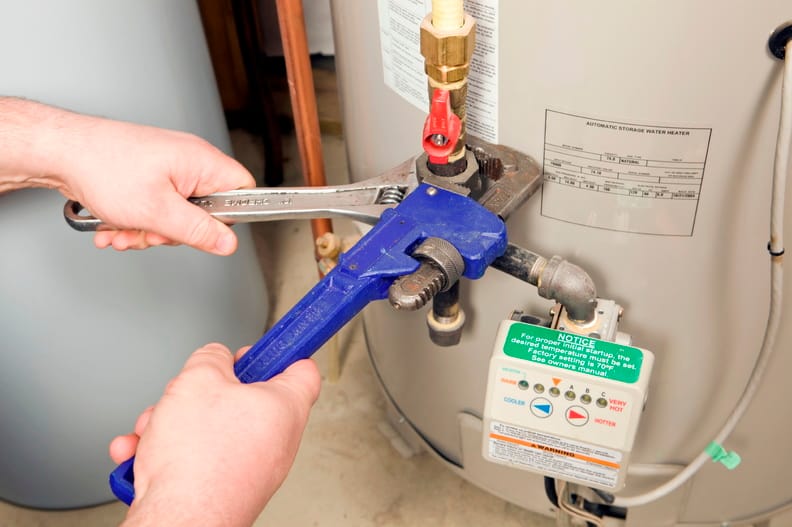
We act as a commercial plumber for many local and residential businesses
Water Heater Repair & Installation in Pensacola, FL
Hot water is an essential part of modern living. From a warm shower in the morning to running the dishwasher after dinner, your water heater works silently in the background to provide comfort and sanitation. When this system fails, it is immediately noticeable and highly disruptive. At Pensacola Plumbing Pros, we specialize in comprehensive water heater repair and installation services. We are dedicated to ensuring that the residents and businesses of Pensacola have reliable access to hot water year round.
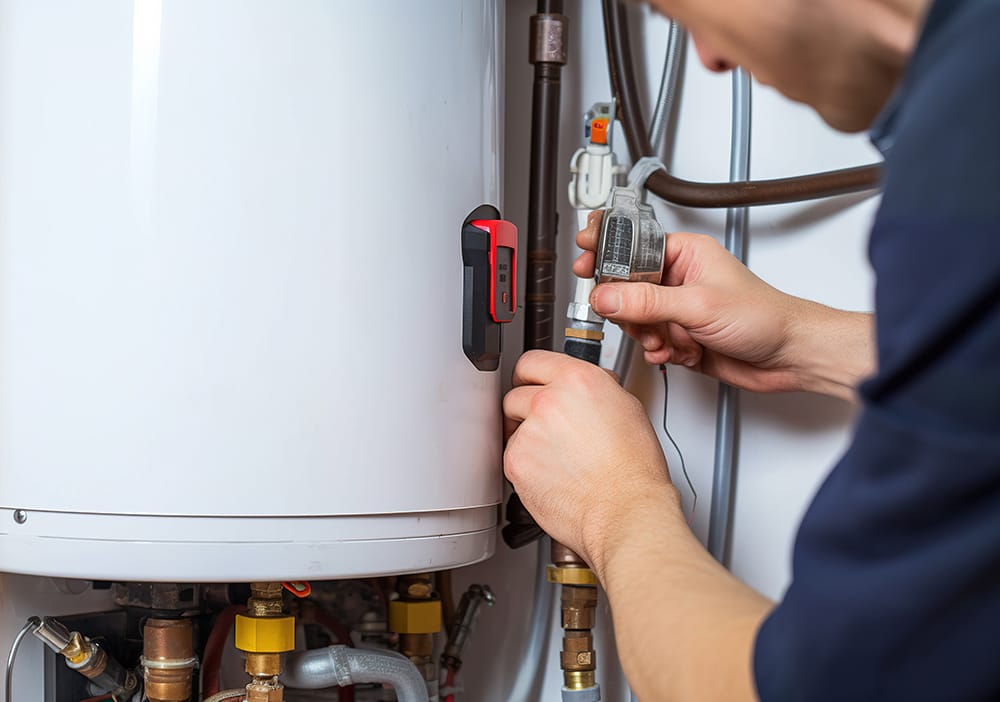
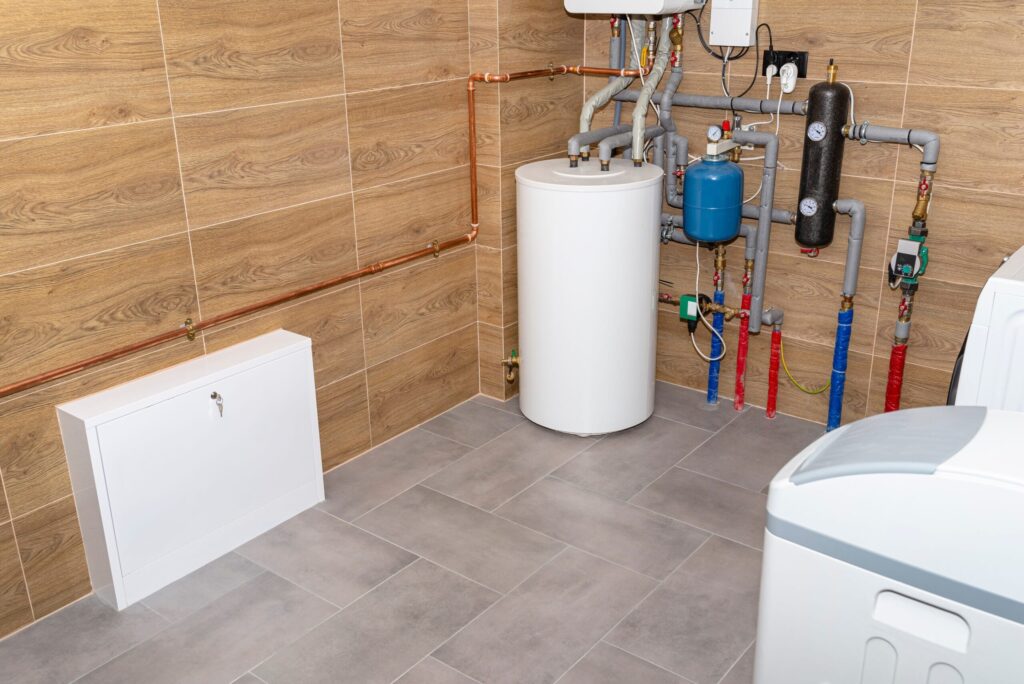
Water Heater Repair and Installation in Pensacola, Florida – Pensacola Plumbing Pros
Pensacola Plumbing Pros handles water heater repair, water heater replacement, tankless water heater installation, traditional tank unit diagnostics, pilot light issues, sediment flushing, and full system replacements for homeowners throughout Pensacola, Gulf Breeze, Gonzalez, Molino, and Century. Whether your unit has stopped producing hot water entirely, is leaking around the base, making alarming noises, or just is not keeping up with your household demand, we take a thorough look before recommending any course of action. The older homes common in many parts of Pensacola often have water heaters that have been in service far longer than recommended, and hard water conditions in this area accelerate sediment buildup that reduces efficiency and shortens a unit’s life. We run careful diagnostics, explain clearly what we find, and keep the work area clean from start to finish. Here is a complete look at the water heater problems we fix in Pensacola and how we approach each one.
Common Water Heater Problems We Fix in Pensacola
No Hot Water or Insufficient Hot Water
Losing hot water in a Pensacola home is one of the most disruptive plumbing problems a household can face. When the issue is a complete loss of hot water, it usually points to a failed heating element on an electric unit, a gas supply problem, a tripped breaker, or a control board failure on a tankless system. When hot water runs out faster than it used to, the cause is often sediment accumulation at the bottom of the tank, a failing thermostat, or a tank that has simply become too small for the household’s current demand.
Recognizing the Problem
- No hot water from any fixture in the home
- Hot water that runs out after just a few minutes
- Water that heats slowly and never fully reaches normal temperature
- Hot water only available at certain fixtures but not others
- Tankless unit that fails to fire when a faucet is opened
- Electric unit that worked until a storm and now does nothing
- Lukewarm water even when the thermostat is set correctly
We check the power supply, the thermostat settings, and the condition of the heating element or burner assembly before assuming the unit needs replacement. A fix for no hot water is often something like a failed thermocouple on a gas unit or a burned-out element on an electric model, both of which are component repairs rather than full replacements. We test the output temperature and flow rate after any repair to confirm the unit is performing the way it should before we pack up and leave the Pensacola home.
Leaking Water Heater
A leaking water heater is a situation that ranges from a minor drip at a fitting to a tank that has corroded through and is releasing water rapidly. The source of the leak determines the right response. A leaking pressure relief valve, a loose inlet connection, or a dripping drain valve are often repairable without touching the tank itself. A tank leaking from the body or bottom is a different story, because internal corrosion that has progressed to that point almost always means the unit needs to come out.
Recognizing the Problem
- Water pooling around the base of the tank
- Dripping from the pressure relief valve pipe
- Moisture or rust staining around the inlet or outlet connections at the top
- Water heater leaking from the top fitting or supply line
- Small but persistent puddle that gets larger over days
- Corrosion visible on the outside of the tank body
- Water heater leaking from the bottom draining onto the floor
We identify the source of the leak before making any decisions. For connection or valve leaks, we repair or replace the component and test under pressure. For a tank that has begun leaking from the bottom or showing exterior corrosion at the seam, we discuss replacement options with the homeowner and explain clearly why a repair would not be a reliable long-term fix. Hard water in the Pensacola area can accelerate internal corrosion, so tanks here sometimes fail earlier than average life expectancy would suggest.
Tankless Water Heater Issues
Tankless water heaters have a different set of failure modes than traditional tank units, and diagnosing them requires understanding how the control board, flow sensor, heat exchanger, and venting system all interact. A tankless unit that is not heating properly might be displaying an error code, might be undersized for the household demand, might have a mineral scale buildup on the heat exchanger, or might have a venting problem that is causing the unit to shut down as a safety measure.
Recognizing the Problem
- Tankless unit not heating, even though it turns on
- Error code displayed on the control panel
- Hot water that cuts out mid-shower and then returns
- Unit firing up but water only warming slightly
- Ignition failure on a gas tankless unit
- Flow sensor error after a period of heavy use
- Scale buildup reducing output noticeably over months
We read the error codes, check the flow rate, test the ignition system, and inspect the venting for obstructions or improper clearances. Descaling the heat exchanger is a maintenance task that can restore a tankless unit’s performance significantly when mineral buildup has reduced its efficiency. Pensacola Plumbing Pros works with multiple tankless brands and knows the differences in how they are serviced and diagnosed. When a unit has reached the end of its serviceable life, we explain the replacement options in plain terms.
Rusty or Discolored Hot Water
Rust-colored water from the hot side of the tap in a Pensacola home almost always points to corrosion inside the water heater tank itself, specifically a failing anode rod or a tank interior that has degraded past the point of protection. It can also come from old galvanized supply lines that are corroding internally, which means the hot water picks up rust as it travels through the pipes rather than from the tank itself.
Recognizing the Problem
- Red or brown water from hot taps that clears after running for a bit
- Rust-colored water that does not clear regardless of how long you run it
- Metallic taste in hot water only, not cold
- Rusty hot water from taps in older parts of the home specifically
- Sediment or gritty particles visible in hot water
- Staining in the tub or sink that is worse on the hot side
- Discoloration that appeared suddenly rather than gradually
We check the anode rod condition first, because a depleted anode rod allows the tank interior to corrode directly and produces rust-colored water. Replacing the anode rod is a relatively simple fix if the tank itself is still in good condition. If corrosion has already spread to the tank lining, replacement is the practical path. For Pensacola homes with older galvanized supply lines, the rusty water issue may require both a new water heater and a pipe assessment to fully resolve.
Strange Noises from Water Heater
A water heater that has started making popping, rumbling, cracking, or high-pitched sounds is usually telling you that sediment has accumulated on the bottom of the tank. As the burner heats the water, it also heats the sediment layer, which causes the water trapped in the sediment to vaporize and produce the popping and rumbling sounds homeowners notice. It is not dangerous immediately, but it signals reduced efficiency and accelerated wear on the tank lining.
Recognizing the Problem
- Popping or crackling sounds when the burner fires
- Rumbling or boiling sounds from inside the tank
- High-pitched whistling from the pressure relief valve area
- Banging when the heater shuts off after a heating cycle
- Sounds that have been getting louder over the past few months
- Tank that heats slowly now despite no change in settings
- Increased utility bills alongside new noises
Sediment flushing can address early to moderate buildup and restore some efficiency. We flush the tank, assess the sediment volume, and check the anode rod and tank interior during the same visit. For a water heater that has been running in Pensacola’s hard water conditions for eight years or more with heavy sediment, flushing may not be worth the effort if the tank is nearing the end of its recommended service life anyway. We give you an honest read on whether service or replacement makes more sense for your specific unit.
Pilot Light Problems (Gas Water Heaters)
A pilot light that will not stay lit is one of the more frustrating water heater problems because it often means someone has already tried relighting it several times with no lasting success. The most common cause is a failing thermocouple, which is the safety sensor that detects whether the pilot flame is present. When the thermocouple is worn or faulty, it signals the gas valve to close even when the pilot is lit, which causes the flame to go out repeatedly.
Recognizing the Problem
- Pilot flame that lights but goes out within seconds
- Pilot that will not ignite at all even when gas is flowing
- Repeated relighting required over the span of days
- Gas smell near the unit when the pilot is out
- No hot water following an extended cold snap or utility disruption
- Older gas unit where the pilot has never been serviced
- Gas valve that clicks but does not produce a spark
If you smell gas or suspect a gas leak, go outside immediately and call 911 – this is a serious emergency that needs urgent attention from the gas company. For a pilot that simply will not hold, we inspect the thermocouple, the pilot assembly, the gas valve, and the venting to confirm the problem is isolated before replacing any components. A thermocouple replacement is a straightforward fix and restores normal operation when that is the cause. We test the pilot repeatedly after the repair to confirm it is holding before we consider the job done.
Water Heater Not Turning On
An electric water heater that does not respond at all when it should be in a heating cycle is usually experiencing a power issue, a tripped high-temperature cutoff switch, or a completely failed heating element. The high-temperature cutoff is a safety feature that trips when the water gets too hot, and it requires a manual reset. If it trips repeatedly, that points to a thermostat problem rather than a simple reset fix.
Recognizing the Problem
- Electric water heater with no activity and no hot water
- Breaker that trips when the water heater runs
- High-limit reset button that needs frequent resetting
- Unit that worked fine until a power outage and has not come back
- Heating element that has burned out entirely
- Thermostat set normally but water stays cold
- Water heater that runs but never actually heats the water
We check the breaker, the reset button, the thermostat, and the heating element in a logical sequence to identify the cause before replacing any parts. An electric water heater that keeps tripping its high-limit switch is telling you something beyond a simple reset, and we investigate rather than just reset and leave. For Pensacola homes where the water heater has had years of heavy use, a full element and thermostat replacement is sometimes more practical than replacing only one component at a time.
Sediment Buildup and Poor Performance
Hard water is a real factor in Pensacola, and over time the minerals in the water supply settle at the bottom of the tank as sediment. Even a modest layer of sediment at the bottom reduces the efficiency of the burner or heating element significantly, because it acts as an insulating barrier between the heat source and the water. The tank has to run longer cycles to reach the set temperature, which means higher energy use and more wear on the unit’s components.
Recognizing the Problem
- Hot water taking noticeably longer than it used to
- Energy bills increasing without a change in household habits
- Popping sounds during heating cycles
- Tank that runs almost continuously without reaching full temperature
- Water heater that is past five years old and has never been flushed
- Reduced hot water capacity even though household size has not changed
- Thick sediment visible when the drain valve is opened
Annual or biannual flushing is the standard recommendation for tank water heaters in areas with hard water, and Pensacola falls into that category. We connect a hose to the drain valve, flush the tank completely, and check the anode rod condition during the same service visit. A unit that has been flushed regularly can outlast one that has not by years. We also assess whether the current tank size is still appropriate for the household, since many older Pensacola homes were set up with smaller tanks than modern households actually use.
Water Heater Repair vs Replacement in Pensacola
One of the most common questions we hear in Pensacola is whether to repair a water heater or replace it. The honest answer depends on several factors, and we walk homeowners through each one before making a recommendation.
Age is the most important variable. A traditional tank water heater has a typical service life of eight to twelve years under normal conditions. In Pensacola, where hard water accelerates sediment accumulation and internal corrosion, units often show signs of degradation earlier. If your unit is past the ten-year mark and has started having problems, repair after repair tends to become more expensive than the unit is worth.
The type of failure matters too. A failed thermocouple on a gas heater, a burned-out heating element on an electric model, or a leaking pressure relief valve are all component failures that we can repair economically on an otherwise healthy unit. A tank that is leaking from the body or bottom, a tank with visible external corrosion, or a unit that has failed structurally is not a candidate for repair. There is no practical fix for a tank that has corroded through.
Efficiency is another factor. A water heater from fifteen years ago operates at a lower efficiency standard than a modern unit. Replacing an aging unit with a new high-efficiency model, or making the switch to a tankless water heater, often produces meaningful energy savings that offset part of the replacement cost over time. We can explain the difference in operating costs for your specific situation in Pensacola so you can make an informed decision.
We also look at whether the repair would address the root cause or just the symptom. A unit that has had a thermostat fail, then an element, then a connection problem in the span of a year is showing systemic age-related failure. At that point, continued repair spending is unlikely to produce reliable long-term results. Our approach is to give you the full picture and let you decide what makes sense for your home and budget.
Tankless Water Heater Installation and Repair
Tankless water heaters heat water on demand rather than storing a tank of hot water continuously. This makes them more energy-efficient for households where hot water use is somewhat spread out through the day, because there is no standby heat loss from a tank sitting between uses. They also have a longer service life than traditional tank units when properly maintained, typically fifteen to twenty years.
For Pensacola homeowners considering a tankless unit, there are a few practical things to know. Gas tankless units require proper venting that is different from a standard water heater vent. Electric tankless units often require a dedicated circuit and may need an electrical panel upgrade depending on the capacity of the unit. The unit needs to be sized correctly for the household’s peak demand. A single-person household and a family of five need different flow rates, and an undersized unit produces the frustrating experience of hot water cutting out when two fixtures are used at once.
We install tankless water heaters from multiple manufacturers and are familiar with the requirements for both gas and electric models. After installation, we test the flow rate at multiple fixtures simultaneously to confirm the unit handles the household’s actual demand. For tankless units already in service, we diagnose error codes, descale heat exchangers, check flow sensors, and assess venting to restore performance without unnecessary part replacement.
Water Heater Installation Services in Pensacola
A new water heater installation in Pensacola involves more than just connecting a new unit to the existing lines. We start by assessing the installation space, the existing connections, the venting condition for gas units, and whether the current setup meets code for the type of unit being installed. If the venting is inadequate or the water lines need updating, we address those as part of the installation rather than leaving the job incomplete.
For a traditional tank replacement, we drain and remove the old unit, prepare the connections, set the new unit in place, connect the supply lines and discharge pipe, connect the gas or electrical supply, fill the tank, and test for proper operation and temperature before we leave. For a tankless installation, the process includes mounting the unit, running the appropriate venting or exhaust, making gas or electrical connections, connecting the water lines with isolation valves, and running the unit through a full demand test.
We advise on the right tank size or tankless unit capacity for the household. A family that has been running a 40-gallon tank and regularly runs out of hot water would benefit from either a 50-gallon unit or a tankless system sized for their flow requirements. We factor in the number of people in the home, the number of bathrooms, and the household’s typical hot water patterns when making a recommendation for a Pensacola home.

Why Pensacola Homeowners Choose Pensacola Plumbing Pros for Water Heater Service
Local Expertise with Pensacola Homes and Water Conditions
We know that hard water in the Pensacola area creates accelerated sediment buildup in tank water heaters, and we factor that into every service and replacement recommendation we make. We also know what pipe materials were common in different eras of Pensacola construction, which tells us what to check when a water heater is showing signs of age. When a homeowner in Gonzalez called us about rusty hot water, we identified a depleted anode rod combined with aging galvanized supply lines and addressed both issues in the same visit.
Meticulous Diagnostics and Root-Cause Fixes
We do not replace parts without knowing what caused them to fail. A water heater that keeps tripping its high-limit switch has a reason for doing so, and simply resetting it without investigation solves nothing for more than a day. We find the actual cause, explain it clearly, and fix it properly. A customer in Molino had gone through two contractors who reset the same switch before calling us. We found an oversized element installed incorrectly by a previous repair, replaced it with the correct component, and the unit has run without issue since.
Respect for Your Home and Family During the Job
Water heater work involves draining water, handling heavy equipment, and working in utility areas that are often tight and inconveniently located. We use drop cloths, we drain the old unit carefully to avoid floor damage, we do not leave rust stains or water spots, and we clean up the area before we go. Homeowners in Pensacola tell us they appreciate that the space looks the same or better when we leave than it did when we arrived.
Skilled with Both Traditional and Tankless Systems
Traditional tank units and tankless water heaters require different knowledge and different tools to service correctly. We work on both regularly throughout Pensacola and the surrounding area. Tankless units in particular have control boards, error code systems, and venting specifications that require specific expertise. A homeowner in Gulf Breeze had a tankless unit that had been misdiagnosed by another plumber. We read the error code correctly, found a partially blocked venting condition, cleared it, and the unit returned to full operation without any part replacement.
Fast Same-Day Response When You Need Hot Water Now
Going without hot water is not something most Pensacola households can manage for long. We try to offer same-day service for water heater repair and, when a unit needs to be replaced, we work to minimize the time the household is without hot water. For emergencies where a leaking unit needs to be shut off immediately, we walk you through the shutoff steps over the phone so the flooding stops while we are on our way.
Our Water Heater Service Process in Pensacola
1. You Reach Out
Contact us today and describe what is happening with your water heater. Tell us the type of unit, how old it is if you know, and what symptoms you are experiencing. That information helps us arrive prepared with the right parts and equipment for your Pensacola home.
2. We Schedule and Arrive
For emergencies we try to get there the same day. For non-emergency service we schedule a convenient window and confirm it before we arrive. We do not make you block off an entire day waiting for us to show up.
3. Thorough Diagnosis and Clear Explanation
We inspect the unit fully before recommending anything. We explain what we found, what caused it, and what the repair or replacement involves. You decide how you want to proceed with full information rather than just a number handed to you at the door.
4. Repair or Installation
We make the repair using quality components, or we remove the old unit and install the new one correctly. For replacements we handle all connections, venting for gas units, and any updates to the supply lines that are needed to complete the job properly.
5. Final Testing and Cleanup
We run the unit through a complete operational test, check for leaks at every connection, verify the temperature output, and clean up the work area before we leave. We do not consider the job done until we confirm everything is working correctly and the space is clean.
Water Heater Service Area in and Around Pensacola, Florida
We provide water heater repair and installation throughout Pensacola and serve customers across the surrounding communities on a regular basis. Whether you are in a newer development or an older neighborhood in Pensacola with a unit that has been in the same spot for twenty years, we can help.
- Gulf Breeze
- Gonzalez
- Molino
- Century
- Pace
- Milton
- Cantonment
- Bellview
- Ferry Pass
- Ensley
- Brent
- Warrington
Local water heater service in Pensacola means we are not a dispatch center sending out whoever is closest. We know this area, we know the housing stock, and we stand behind the work we do here. When something comes up after a repair or installation, we come back and address it.
Professional Water Heater Repair vs DIY Attempts
Water heaters seem simple from the outside but involve systems that carry real risks when handled incorrectly. Electric water heaters operate on 240 volts, and working inside the access panels without turning off the correct breaker can result in a serious electrical shock. Confirming that power is fully disconnected requires a voltage tester, not just flipping the switch on the panel and assuming.
Gas water heaters involve gas connections that must be tested for leaks after any work is done. A connection that looks tight but is not sealed correctly can release gas into the utility space. Gas accumulation in an enclosed room is a serious fire and explosion risk. We use a gas leak detector and pressure-test the connection after every gas water heater job.
Scalding water is a risk during tank draining and during any work done while the unit is warm. A 50-gallon tank at 120 degrees Fahrenheit contains enough heat to cause severe burns on skin contact. We take precautions that are not obvious to a homeowner doing this for the first time.
Hard water conditions in Pensacola mean sediment can be substantial in older tanks. Draining a tank with heavy sediment requires a specific process to avoid clogging the drain valve, which then leaves you with a tank full of water and a stuck valve. Forcing a clogged valve can break it off entirely, turning a maintenance task into an emergency replacement.
Modern tankless water heaters have control boards and error code systems that require correct interpretation before any components are replaced. Replacing a part based on a guess rather than a proper diagnosis wastes money and may not fix the actual problem. If the underlying cause is not addressed, the next component failure often follows quickly. Calling a professional for water heater work in Pensacola saves time, prevents additional damage, and gets the unit back to reliable operation the right way the first time.
Plumbing Pro Services
Complete Plumbing Care for Your Entire Home
Whether it’s the kitchen, bathroom, or sewer line, we have the tools and training to handle any challenge your plumbing system throws at us.
We Deliver Expert Results
Don’t gamble with your plumbing. We combine years of experience with modern technology to deliver lasting repairs and installations. Our team respects your time and your property.
- Fixture Installation
- Leak Detection
- Modern Diagnostics
- Drain Cleaning
Frequently Asked Questions About Water Heater Repair and Installation in Pensacola
Water heater repair in Pensacola?
Yes. Pensacola Plumbing Pros handles water heater repair for both gas and electric units throughout Pensacola and the surrounding area including Gulf Breeze, Gonzalez, Molino, and Century. We repair failing elements, thermostats, pilot assemblies, thermocouples, pressure relief valves, connections, and control boards on tankless units. We run a full diagnosis before making any repair recommendations. Contact us today and we can often schedule same-day service.
How much does water heater replacement cost in Pensacola?
The total for a water heater replacement in Pensacola depends on the type of unit, the capacity, whether it is gas or electric, and the condition of the existing connections and venting. Traditional tank units vary in size and quality level. Tankless systems are a different investment with a different operating cost profile over time. We give you a clear breakdown of what is involved after we assess your specific situation so you know exactly what you are getting before work begins.
Do you install tankless water heaters?
Yes. We install tankless water heaters throughout Pensacola for both gas and electric applications. Tankless installation requires proper venting for gas units, correct sizing for the household’s hot water demand, and sometimes electrical panel work for high-capacity electric units. We handle the full installation including connections, venting, and a demand test after startup to confirm the unit performs correctly for your home.
What should I do if I have no hot water?
First, check whether the breaker for an electric unit has tripped, or whether the pilot light is out on a gas unit. If the pilot is out, follow the relighting instructions on the label on the unit. If the breaker is fine and the pilot will not stay lit, or if you smell gas at any point, step away and call us. For a water heater that is leaking actively, shut off the cold water supply valve above the unit to stop the flow, then contact us today for same-day service in Pensacola.
How long does water heater installation take?
A straightforward tank replacement in a Pensacola home typically takes two to three hours from removal of the old unit to completion of the new installation. A tankless water heater installation takes somewhat longer because of the venting work and the demand testing process. If the installation requires updates to existing connections or electrical work, the timeline adjusts accordingly. We give you a realistic time expectation when we schedule the job.
Do you work on older homes in Pensacola?
We work on older Pensacola homes regularly. Many houses in this area have original plumbing connections and venting that were installed decades ago and may need updating when a new water heater goes in. We assess what is there, explain what needs to change to install the new unit safely and correctly, and handle all of it in one visit rather than leaving you to find a second contractor.
What are signs my water heater needs replacement?
Key signs that a water heater in a Pensacola home is nearing the end of its useful life include age past ten years, visible corrosion on the tank body, a leak from the tank base, rust-colored water that persists despite anode rod replacement, or a pattern of repeated component failures in a short period. A unit that is also significantly undersized for the household’s current demand is often worth replacing even before it fails outright.
Can you repair a water heater for a condo in Pensacola?
Yes. We handle water heater repair and replacement for condos and apartments in Pensacola. Condo installations often involve limited access space, specific requirements for venting in shared-wall buildings, and coordination with building management for water shutoffs. We are familiar with these situations and can work within the constraints of multi-unit buildings efficiently.
Why is my water heater making loud noises?
Loud noises from a water heater in Pensacola, especially popping, rumbling, or banging sounds during the heating cycle, are almost always caused by sediment buildup on the bottom of the tank. The minerals in Pensacola’s water supply settle over time and accumulate as a layer that interferes with the heating process. A tank flush can address the sediment. If the tank is older and the buildup is substantial, it may make more sense to evaluate whether replacement is the better path at this stage.
What is the difference between a gas and electric water heater?
Gas water heaters heat water faster, recover more quickly after the tank is depleted, and typically have lower ongoing operating costs in most areas. They require gas supply lines and proper venting. Electric water heaters are easier to install since they do not need venting, but they heat more slowly and have higher operating costs in most markets. Tankless versions of both types are available. We can help you figure out which makes more sense for your Pensacola home based on what you already have in place.
Whether your water heater is struggling to keep up, leaking, making noise, or simply at the end of its life, Pensacola Plumbing Pros has the experience to fix it or replace it correctly. We serve Pensacola and the surrounding communities with the same standard of thorough, honest work on every job.
Reach out to us for assistance and we will take care of your water heater the right way.
Zip codes we serve: 32501, 32502, 32503, 32504, 32505, 32506, 32507, 32508, 32509, 32511, 32512, 32513, 32514, 32516, 32520, 32521, 32522, 32523, 32524, 32526, 32530, 32534, 32561, 32563, 32566, 32568, 32569, 32571, 32583